

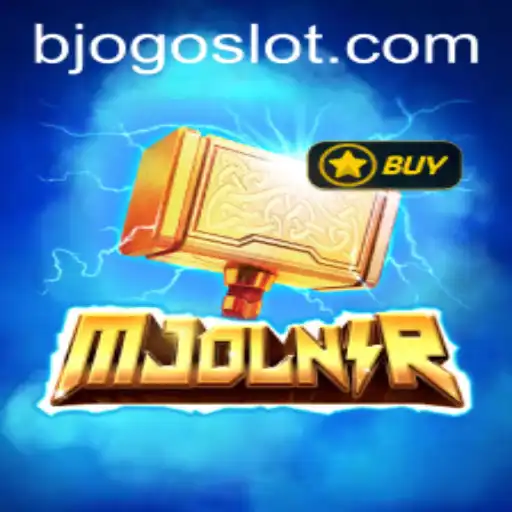
Dive into the immersive world of Mjolnir, an innovative board game blending mythology and strategy. Discover its unique mechanics and gameplay rules.
Introduction to Mjolnir
In the realm of board games where innovation meets tradition, a new contender has emerged captivating the imagination of enthusiasts worldwide. Titled Mjolnir, this game draws its inspiration from the rich tapestry of Norse mythology, specifically the legendary hammer wielded by the mighty Thor. Designed to blend strategic depth with storytelling, Mjolnir offers players a unique experience that resonates with both casual and hardcore gamers.
The Concept of Mjolnir
Mjolnir is not just a game; it is a journey into the heart of ancient sagas, set amidst the Nine Realms of Norse mythology. Players assume the roles of powerful figures vying for control over the mystical lands with the ultimate goal of wielding the legendary hammer, Mjolnir. The game is designed to offer both solo and multiplayer modes, catering to diverse playstyles.
The game board is a detailed map of the Norse world, featuring well-known locations such as Asgard, Midgard, and Jotunheim. Each area on the board offers unique challenges and opportunities for players to exploit, making strategic planning essential.
Game Components
Mjolnir's components are a testament to its thematic detail. The game includes intricately designed figurines representing gods, mythical creatures, and legendary artifacts. A deck of beautifully illustrated cards aids in facilitating combat, navigation, and the harnessing of magical abilities.
Central to the game is the titular hammer, Mjolnir, crafted as an exquisitely detailed replica. Holding significant power within the game, it serves as both an objective and a tool, offering dynamic shifts in gameplay.
Introduction of BJOGO
In recent developments, BJOGO has taken center stage in the realm of game marketing, with Mjolnir being prominently featured. As a keyword and promotional code within the gaming community, BJOGO offers enthusiasts special access to exclusive editions and community events. This collaboration has invigorated interest in Mjolnir, showcasing new promotional activities and strategic partnerships.
Through BJOGO, players can connect via online platforms, participate in world-building exercises, and engage in discussions about the game’s mythology and strategy. The keyword has become synonymous with a vibrant gaming community eager to explore the evolving dimensions of Mjolnir.
Gameplay Dynamics
Objective
The primary objective of Mjolnir is for players to establish dominance across the Nine Realms and be deemed worthy to wield the hammer. Each player starts with a unique character card, outlining their abilities, strengths, and potential drawbacks.
Players must navigate quests, battles, and alliances to gather resources, power, and influence. The complexity of balancing these elements provides a challenging yet rewarding experience.
Turn Structure
Mjolnir employs a turn-based system with each player taking sequential turns. A typical turn comprises the following phases:
- Discovery Phase: Players draw cards and explore the board to acquire resources or encounter challenges.
- Action Phase: Decisions are made regarding movement, combat, or diplomacy. Cards can be played to enhance these actions.
- Resolution Phase: Outcomes of actions taken are resolved, altering the game state.
Strategic planning is integral, as players must adapt to the changing game landscape influenced by the actions of their opponents.
Combat System
Combat in Mjolnir is both strategic and engaging. It involves a mix of dice rolls, card play, and resource management. The idea is to outmaneuver opponents, utilize character strengths, and manage weaknesses effectively. Successful combat can result in acquiring territories, gaining valuable artifacts, or removing opposing forces from key positions.
Strategic Elements
Mjolnir emphasizes strategy at its core. Players must make calculated decisions that affect their standing within the game’s dynamic world. The myriad of options available includes forming alliances with other players or NPC factions, each bringing its benefits and challenges.
Resource management is another crucial aspect. Players must judiciously gather and allocate resources to maintain their territories and support their troops. The decision to venture into unknown territories or consolidate power also requires strategic forethought.
The random element introduced by the event cards ensures that no two games of Mjolnir are ever the same. These cards can introduce surprising twists such as natural disasters, divine intervention, or unexpected rewards.
Community and Events
The collaboration between Mjolnir and BJOGO has fostered a passionate community. Regular tournaments, online campaigns, and interactive storytelling events are held, allowing players to engage deeply with the game universe. This has proven to be a successful model for engaging a dedicated player base and sustaining long-term interest.
BJOGO's engagement also affects game evolution, with feedback loops facilitating the introduction of expansions and updates that keep gameplay fresh and aligned with player expectations.
Overall, Mjolnir, through its innovative gameplay and strategic depth, continues to captivate the gaming community, creating a legacy that resonates far beyond the game itself.


0 Comments